




Head:
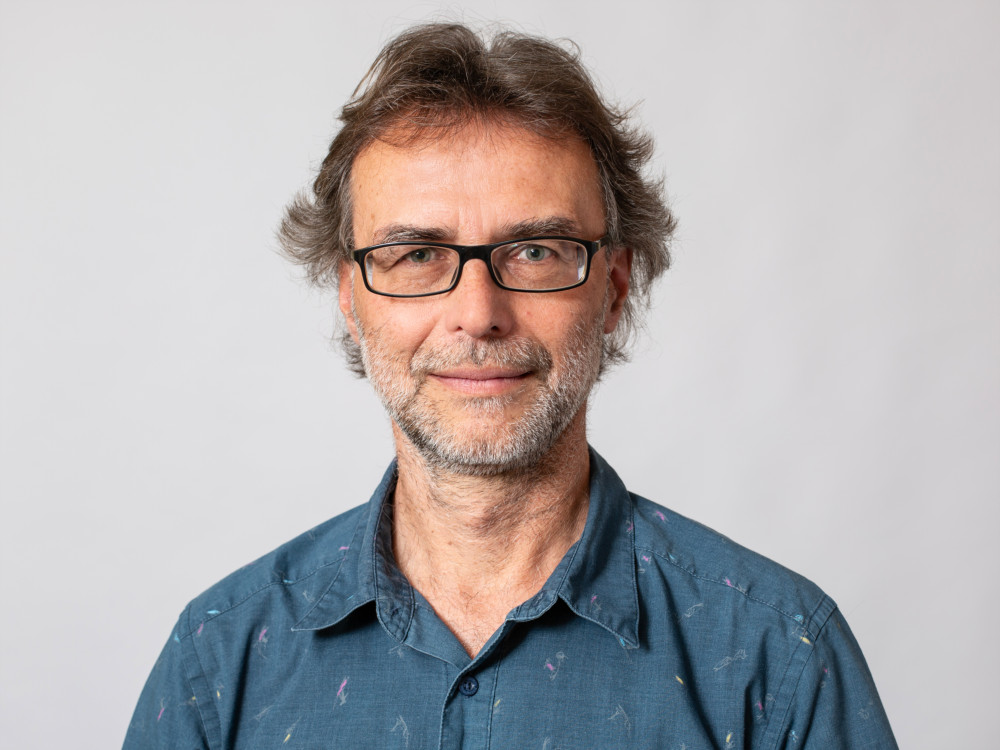
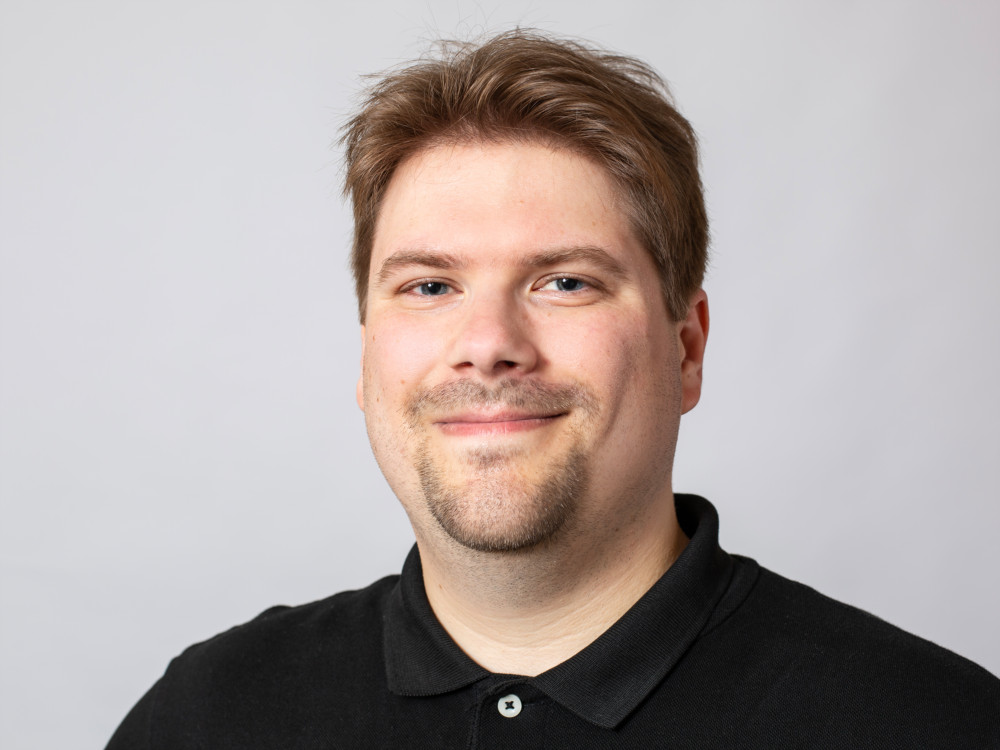
Volker John
Coworkers:
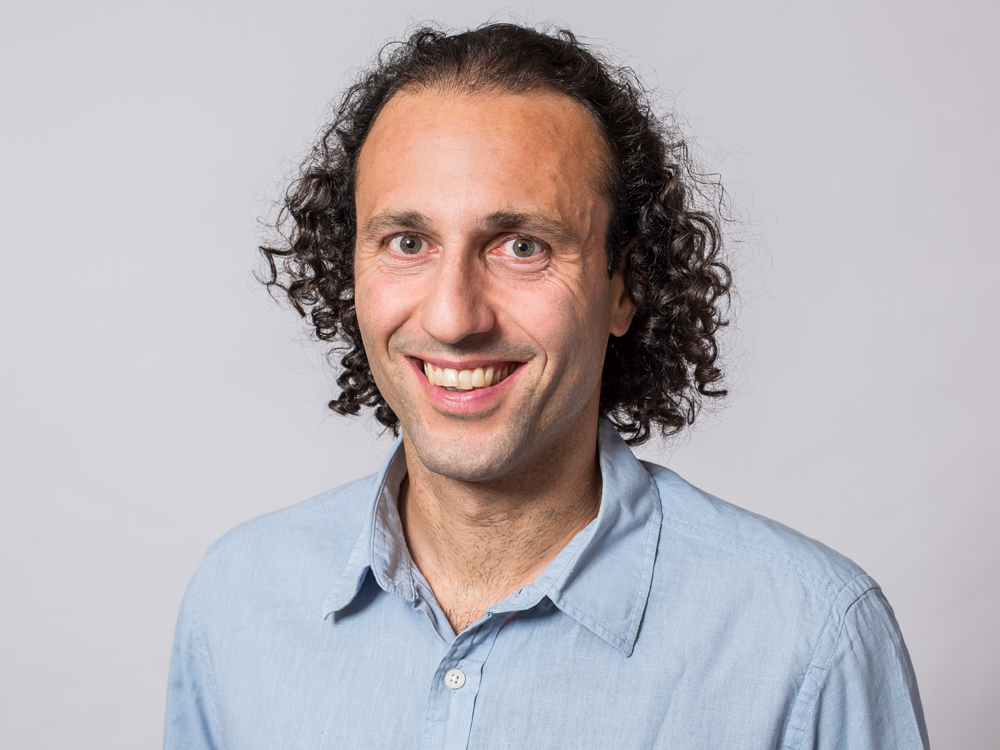
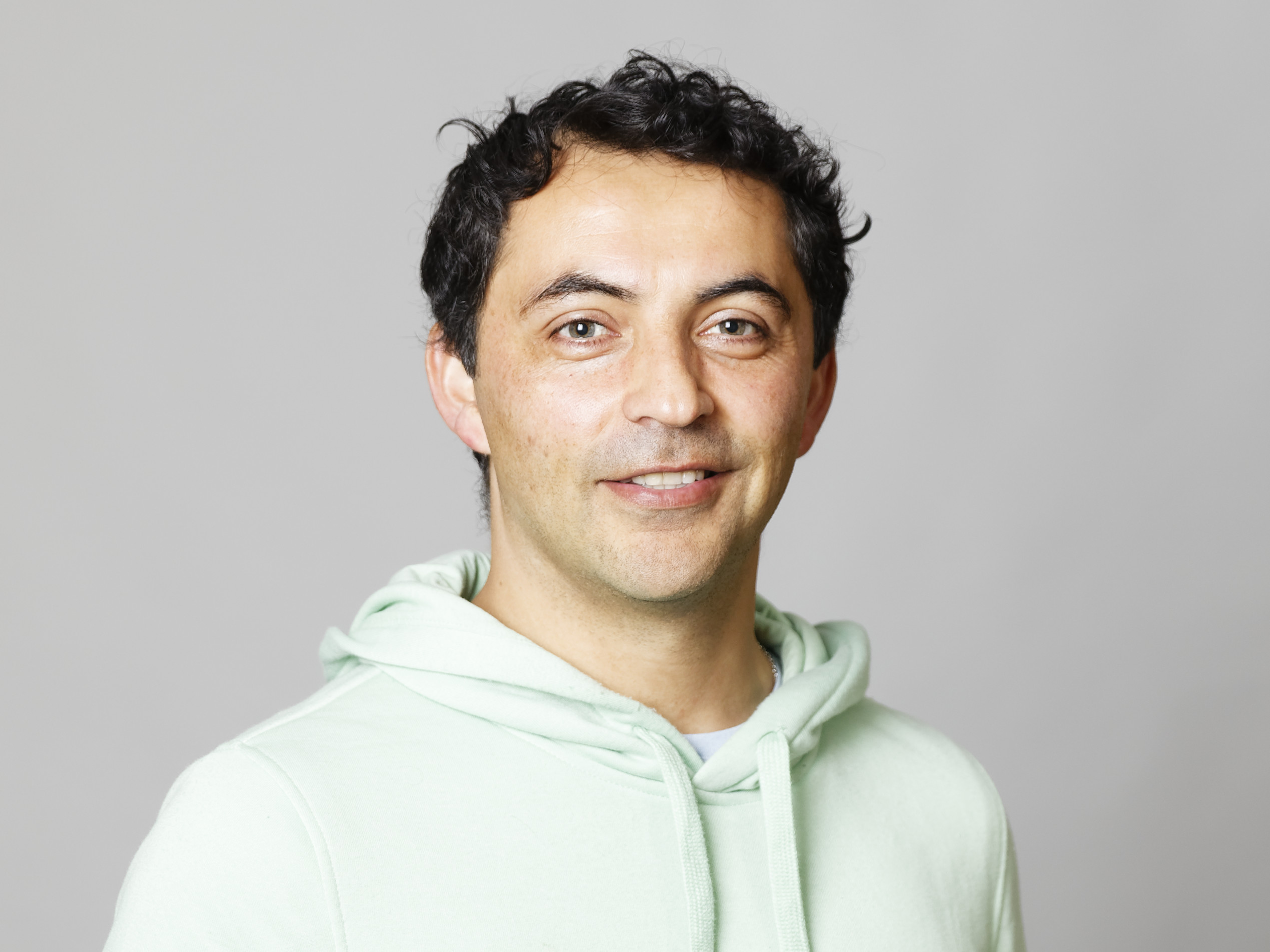
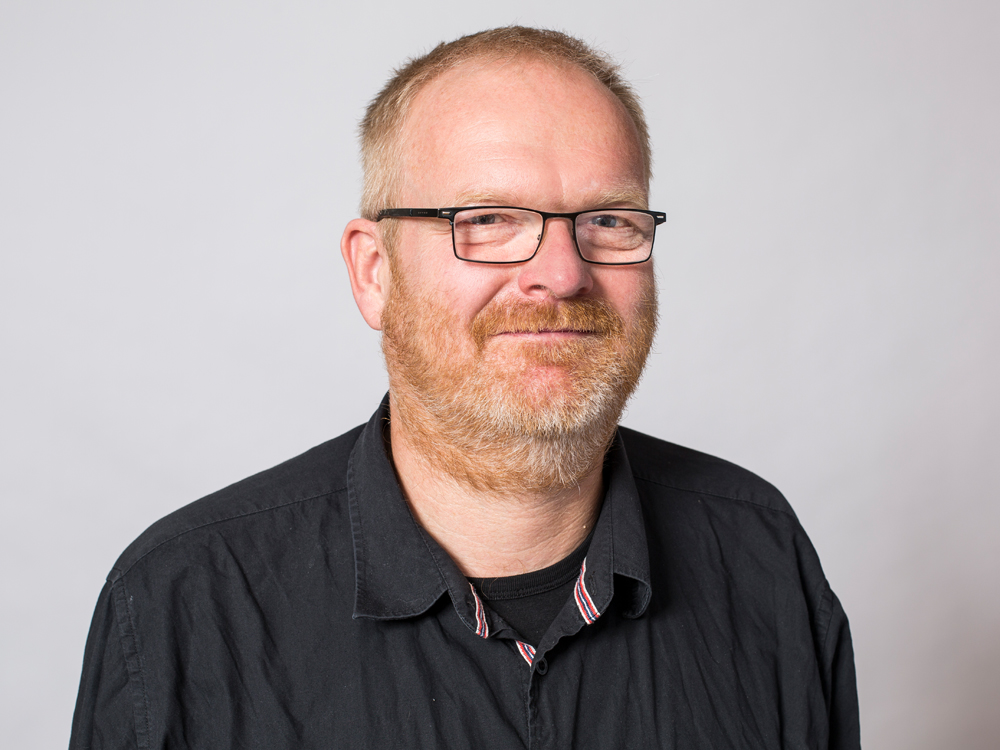
Camilla Belponer, Alfonso Caiazzo, Cristian Cárcamo, Medine Demir, Jürgen Fuhrmann, Patrick Jaap, Sarah Katz, Christian Merdon, Ondřej Pártl, Francesco Romor, Daniel Runge, Holger Stephan, Marwa Zainelabdeen
Team Assistant:
Imke Weitkamp
Fellowships:
Hongpeng Li
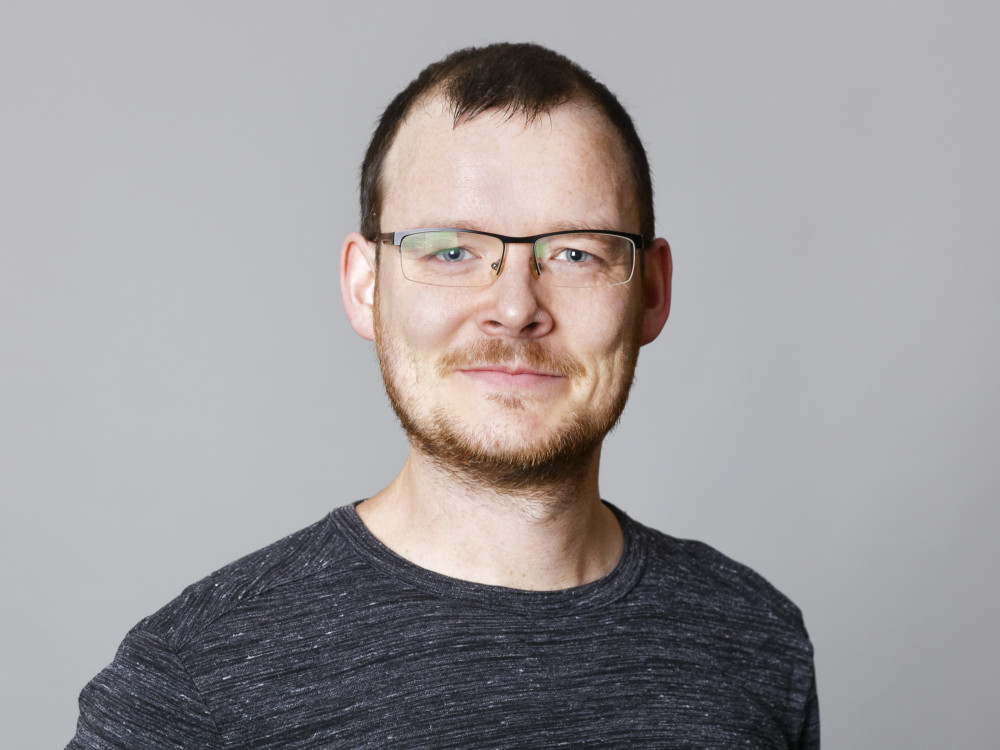
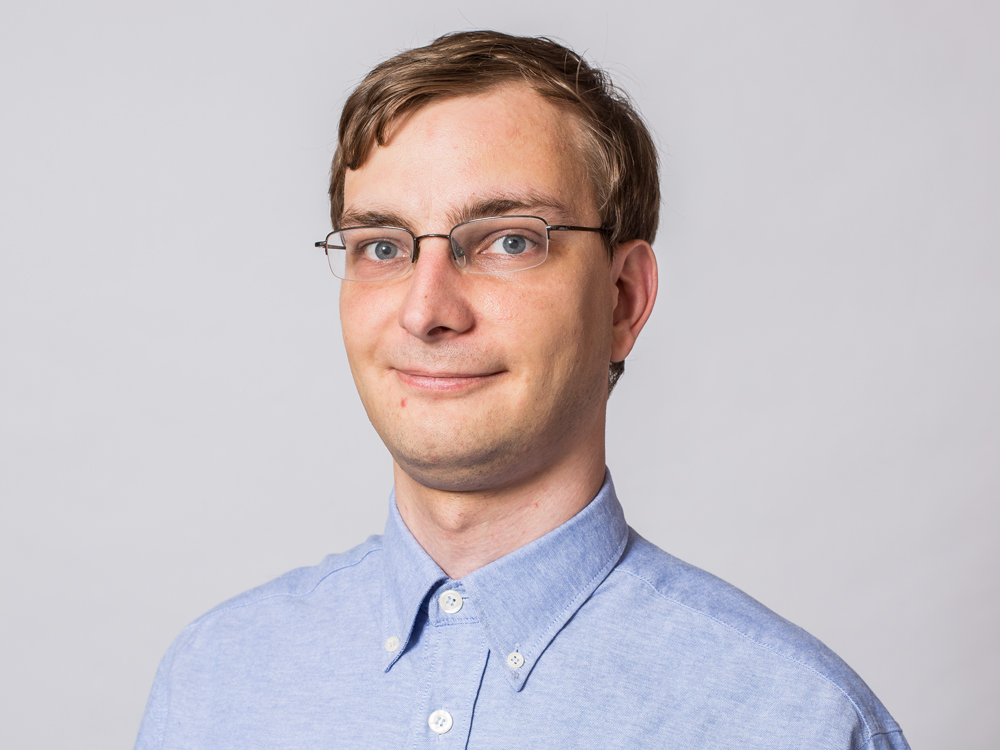
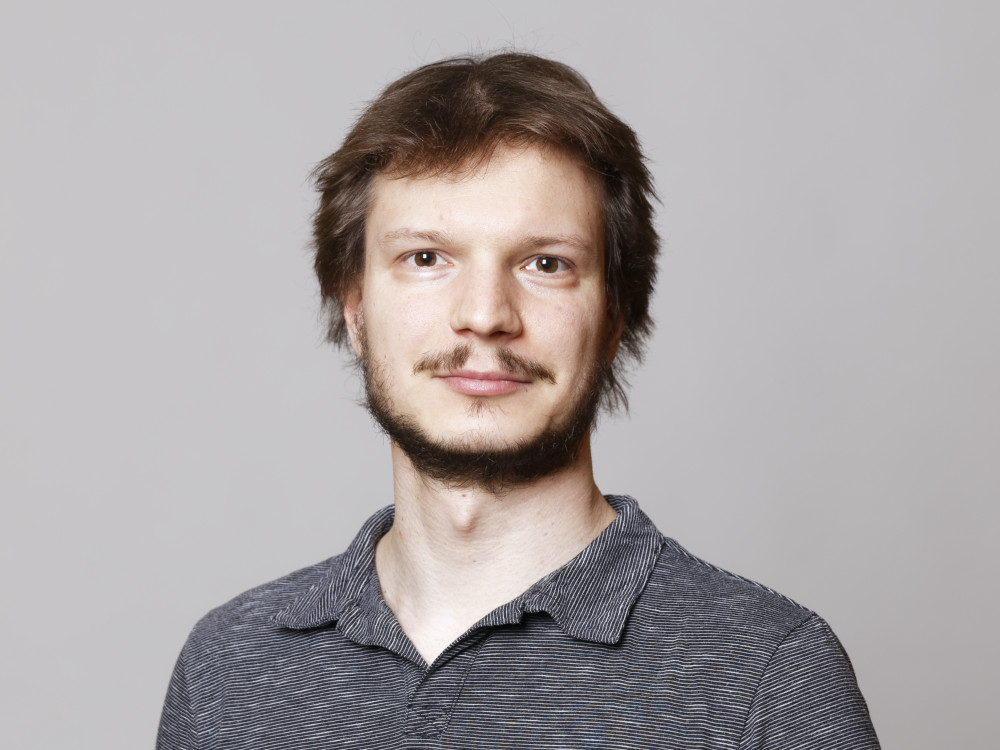
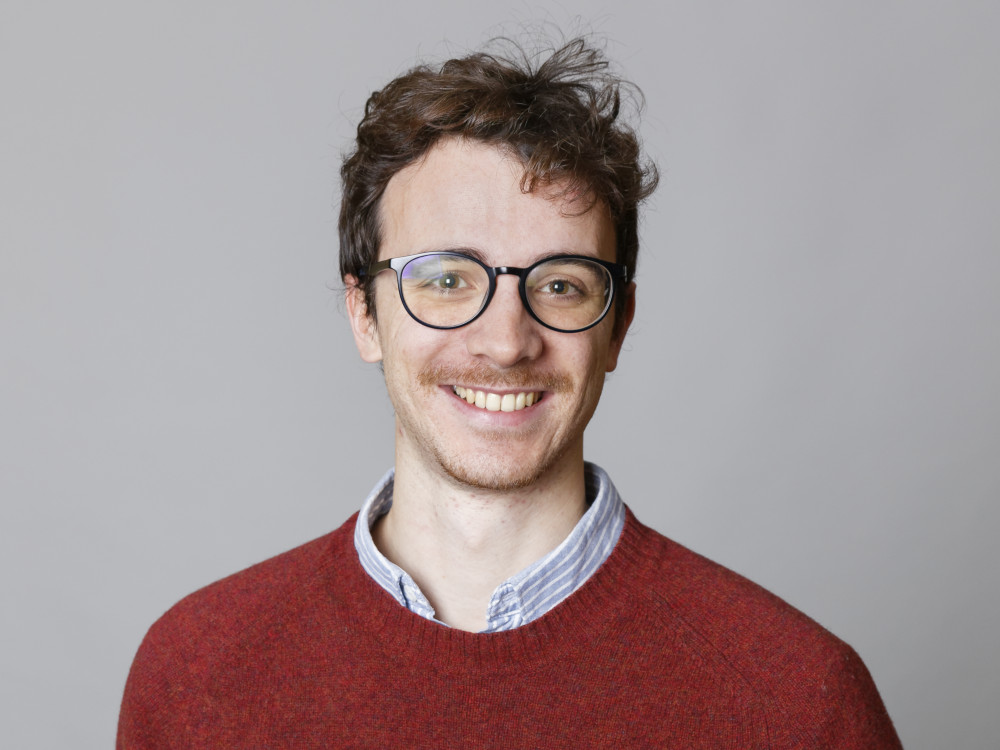
APPRENTICESHIP TRAINING: Mathematical-Technical Software Developer
Apprentices: Liam Johnen, Fedor Romanov
Instructor: Holger Stephan, Training Officer: Ingo Bremer
Contact: Phone: +49 30 20372 566 or +49 30 20372 442
RG 3 develops, analyzes and implements modern numerical methods for the solution of partial differential equations and systems of such equations. The methods used are essentially determined by their usability in application projects. The main research activities are
Volker John
Coworkers:
Camilla Belponer, Alfonso Caiazzo, Cristian Cárcamo, Medine Demir, Jürgen Fuhrmann, Patrick Jaap, Sarah Katz, Christian Merdon, Ondřej Pártl, Francesco Romor, Daniel Runge, Holger Stephan, Marwa Zainelabdeen
Team Assistant:
Imke Weitkamp
Fellowships:
Hongpeng Li
from left to right: Volker John, Alfonso Caiazzo, Cristian Cárcamo, Jürgen Fuhrmann, Patrick Jaap, Christian Merdon, Ondřej Pártl, Francesco Romor, Daniel Runge, Holger Stephan, Marwa Zainelabdeen, Imke Weitkamp
APPRENTICESHIP TRAINING: Mathematical-Technical Software Developer
Apprentices: Liam Johnen, Fedor Romanov
Instructor: Holger Stephan, Training Officer: Ingo Bremer
Contact: Phone: +49 30 20372 566 or +49 30 20372 442
RG 3 develops, analyzes and implements modern numerical methods for the solution of partial differential equations and systems of such equations. The methods used are essentially determined by their usability in application projects. The main research activities are
- development and analysis of numerical methods for partial differential equations,
- numerical investigation of applications modeled by partial differential equations.

Research Groups
- Partial Differential Equations
- Laser Dynamics
- Numerical Mathematics and Scientific Computing
- Nonlinear Optimization and Inverse Problems
- Interacting Random Systems
- Stochastic Algorithms and Nonparametric Statistics
- Thermodynamic Modeling and Analysis of Phase Transitions
- Nonsmooth Variational Problems and Operator Equations
