A main challenge in molecular evolution is to find computationally efficient mutation models with flexible assumptions that properly reflect genetic variation. The infinite sites model assumes that each mutation event occurs at a site never previously mutant, i.e. it does not allow recurrent mutations. This is reasonable for low mutation rates and makes statistical inference much more tractable. However, recurrent mutations are common enough to be observable from genetic variation data, even in species with low per-site mutation rates such as humans. The finite sites model on the other hand allows for recurrent mutations but is computationally unfeasible to work with in most cases. In this work, we bridge these two approaches by developing a novel molecular evolution model, the almost infinite sites model, that both admits recurrent mutations and is tractable. We provide a recursive characterization of the likelihood of our proposed model under complete linkage and outline a parsimonious approximation scheme for computing it. We show the usefulness of our model in simulated and human mitochondrial data. Our results show that the AISM, in combination with a constraint on the total number of mutation events, can recover accurate approximations to the maximum likelihood estimator of the mutation rate. An implementation of our model is freely available along with code for reproducing our computational experiments at https://github.com/Cronjaeger/almost-infinite-sites-recursions.
Junior Female Researchers in Probability
Workshop
Berlin, June 24–26, 2026
Registration is free but mandatory, via the online registration form.
Financial support is available for female postdocs, PhD and Master's students.
Registration is now closed.
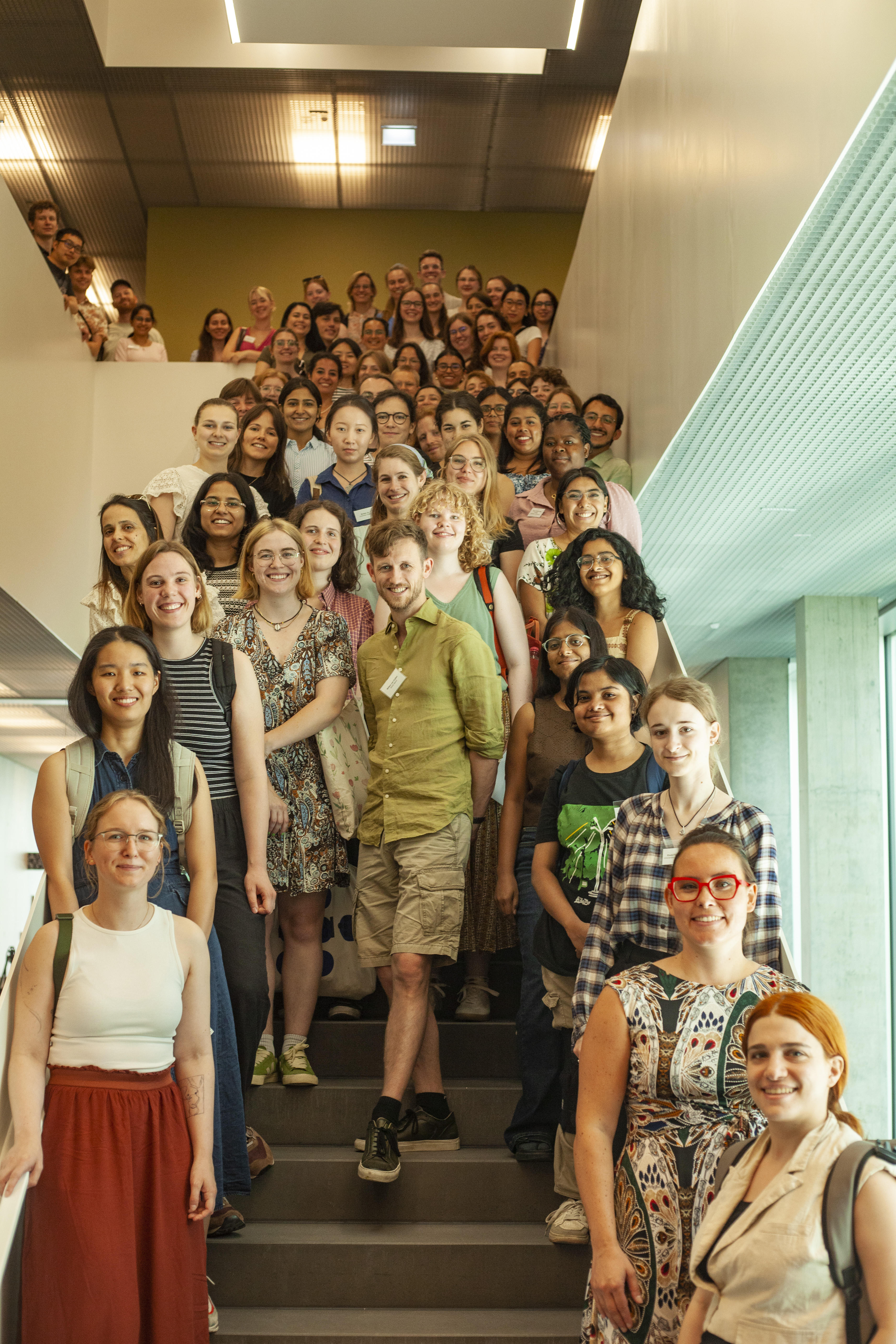
The goal of the workshop is to offer junior female researchers in probability a platform to talk about their own research work and to get acquainted with important research topics presented by well-established female researchers.
To cover various topics in probability and its applications, three keynote talks by outstanding female probabilists and three invited talks are planned. Moreover, a number of contributed talks will be chosen by the organising committee among the submitted abstracts.
While contributed talks and financial support are reserved to female researchers, the workshop is of course open to everybody, and male participants are more than welcome.
You can download the workshop poster here. Previous editions of this workshop include: 2024, 2022, 2021, 2015, 2013.
The scientific programme will open on the morning of Wednesday 24 June and conclude in the early afternoon on Friday 26 June.
It will feature one-hour presentations from three keynote and three invited speakers, alongside several 20-minute contributed talks, and a Q&A session with the speakers for female participants. The conference dinner will take place on Thursday evening.
You can find here the timetable and the book of abstracts.
Keynote speakers
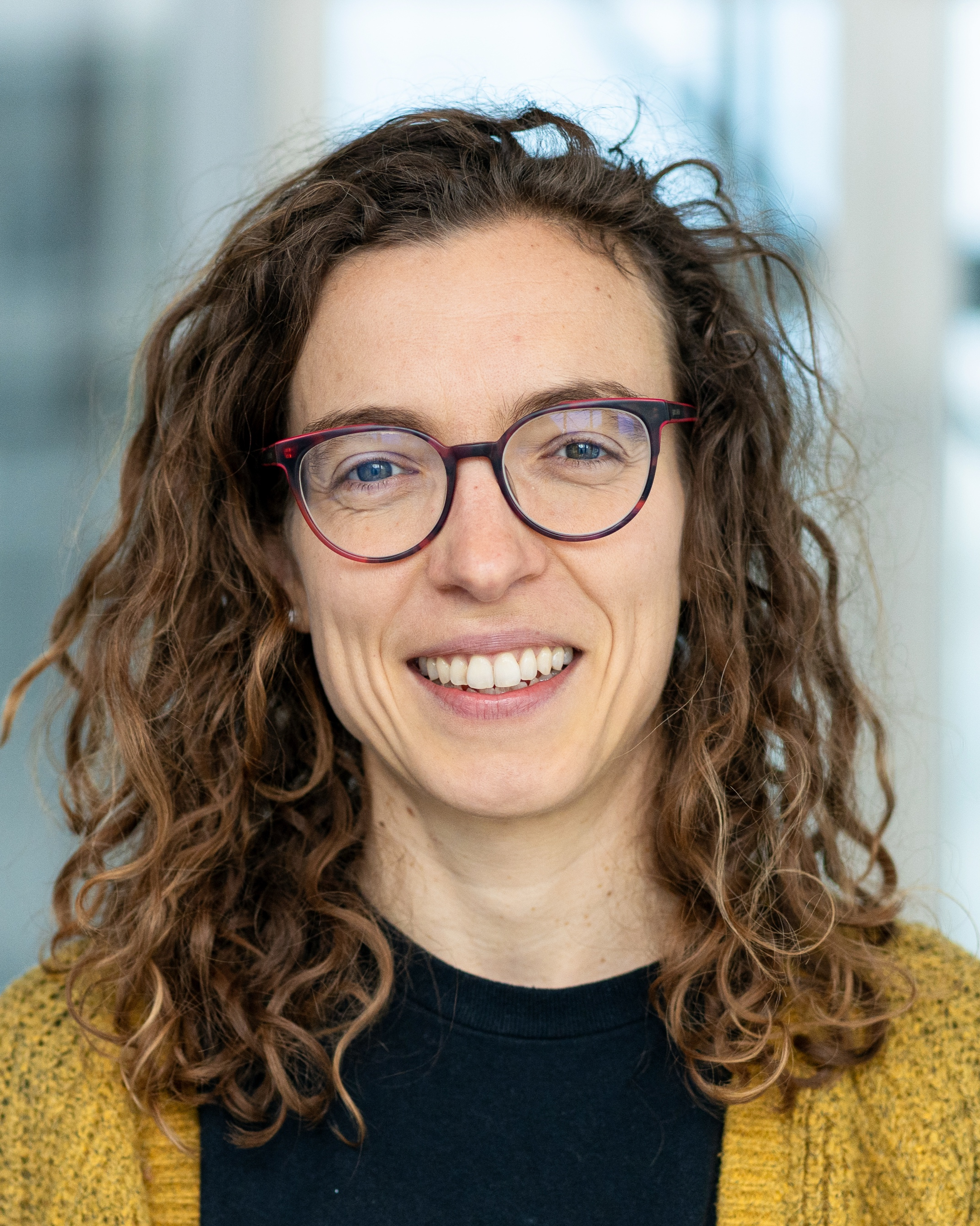
Patricia Alonso Ruiz
University of Jena
Brownian motion and the isoperimetric inequality: A way for fractals?
Alison Etheridge
University of Oxford
The Forwards and Backwards of Population Models
Patrícia Gonçalves
IST Lisbon
Boundary driven particle systems
Invited speakers
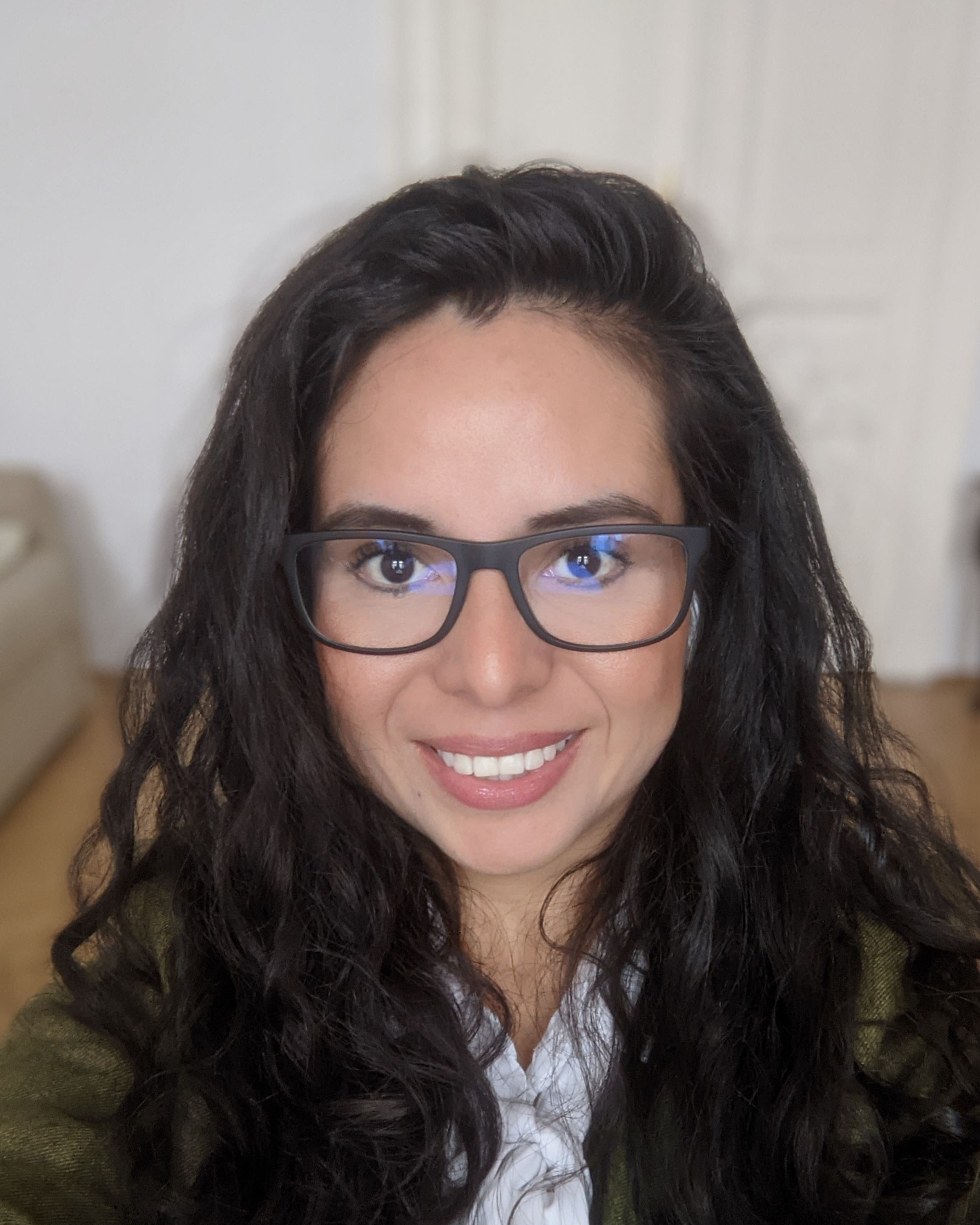
Alejandra Avalos-Pacheco
JKU Linz
An almost infinite sites model
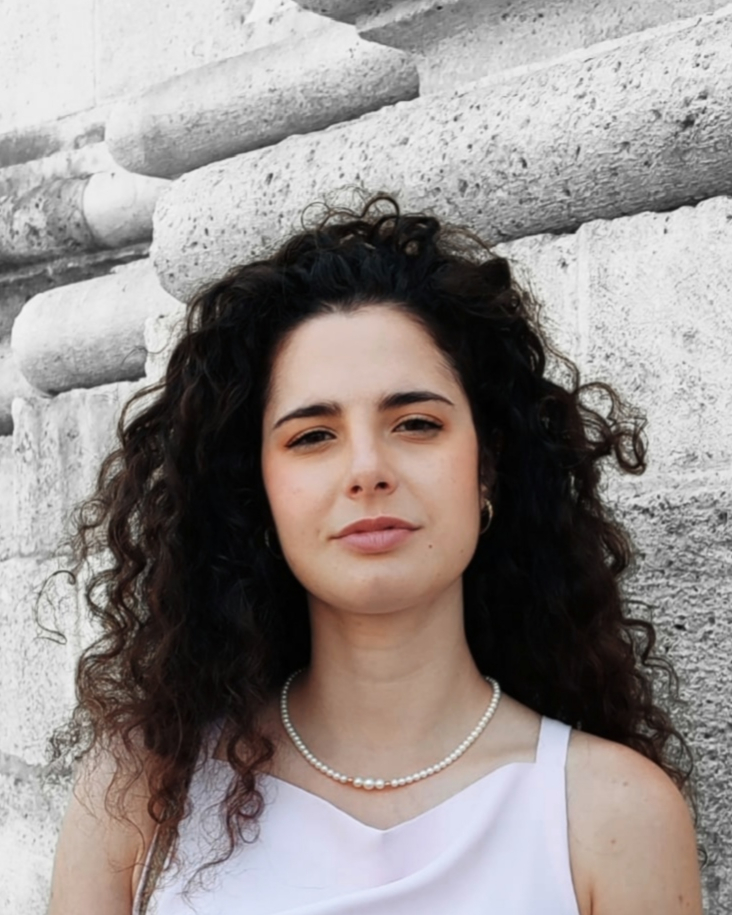
Ofelia Bonesini
LSE London
A mean-field model for pollution abatement via cap and trade mechanism
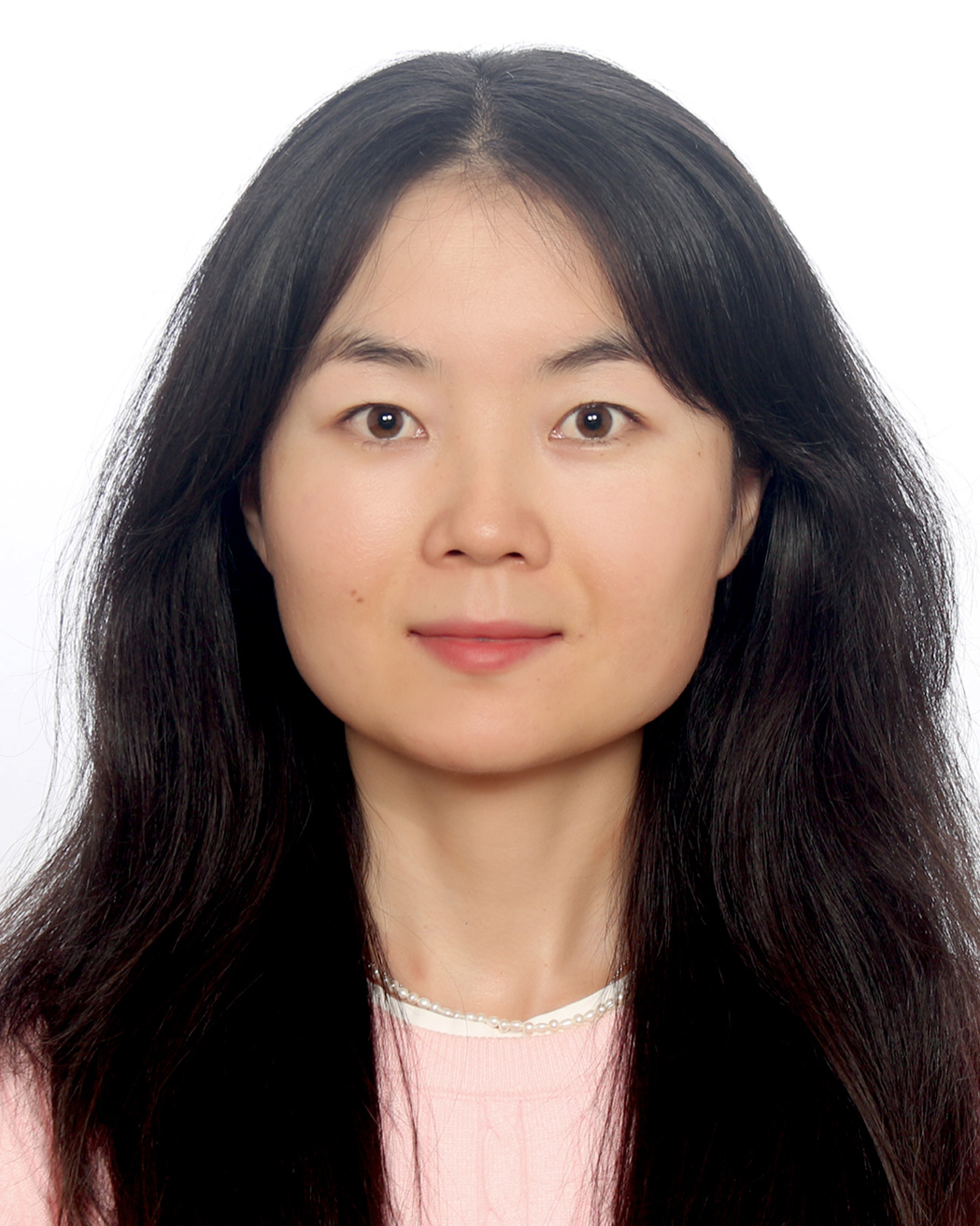
Chengcheng Ling
University of Augsburg
Regularization by noise: from singular SDEs to singular Young SDEs
How to contribute
Financial support is available for female postdocs, PhD and Master's students; please indicate via the registration form whether you wish to apply for this. If you do, then please also send the following documents by email to JFRP26@wias-berlin.de by March 15, 2026:
- A short CV;
- Estimate of travel and accommodation costs;
- A short recommendation letter from your scientific supervisor, if you are a PhD or Master's student.
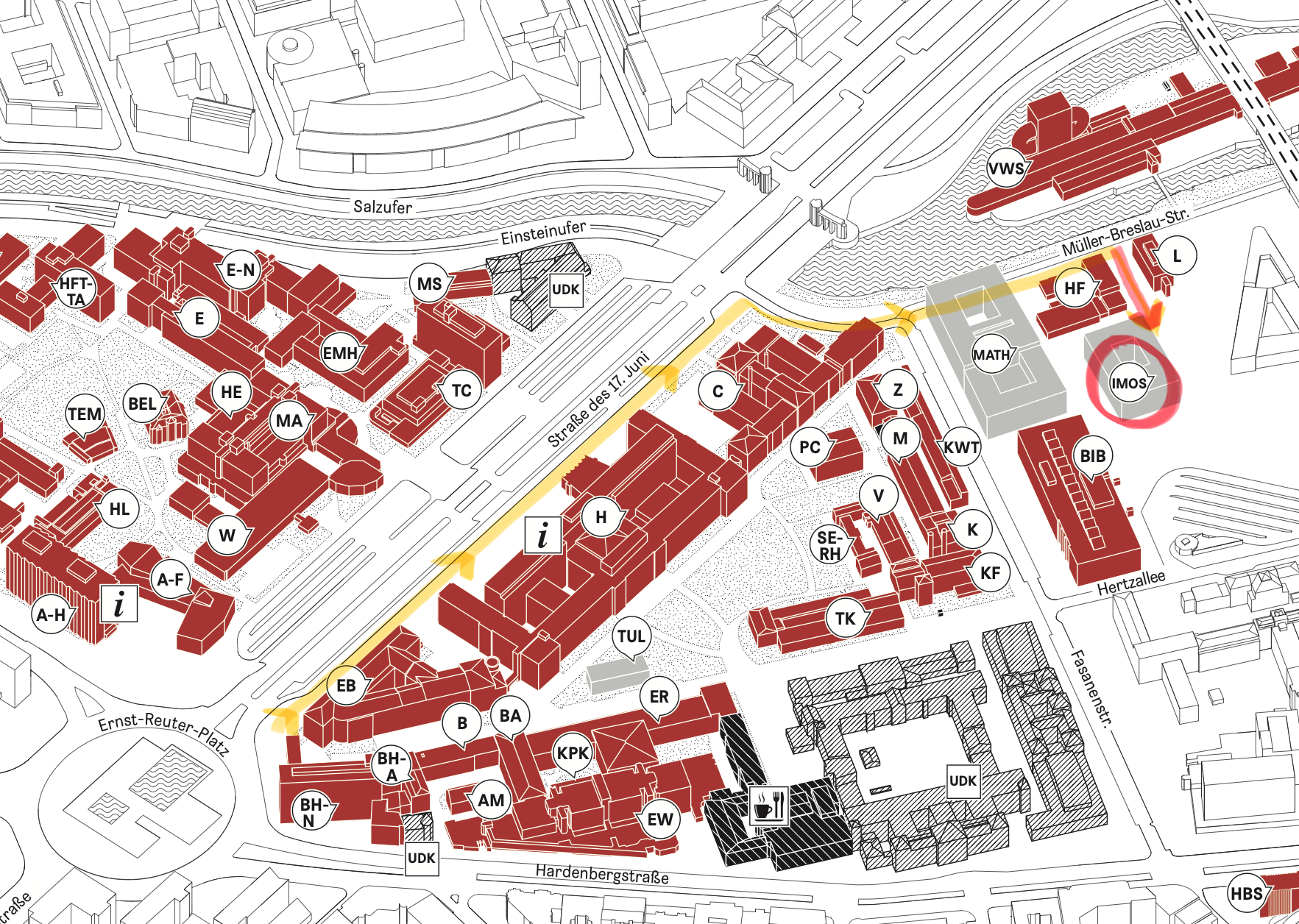
The venue of the workshop is the new IMoS building of TU Berlin, at Fasanenstraße 89, 10623 Berlin.
It is close to the U-Bahn stations Ernst-Reuter-Platz, on the U2 line and Zoologischer Garten on the U2 and U9 lines. As highlighted in the image, the IMoS building can be accessed only from Mueller-Breslau-Straße, via a path between the HF and L buildings.
If you have any questions, please do not hesitate to contact the organisers at JFRP26@wias-berlin.de. Note that you might receive an error message when sending the email; you can safely disregard it.
Organisers
Peter Bank, Franziska Bielert, Dörte Kreher, Helena Kremp, Gemma Sedrakjan, Janine Steck, Thomas Wagenhofer, Maite Wilke Berenguer, Alexander Zass.